
Sarah Connar provides an analysis on factors influencing investment decisions in cryptocurrency, updated on Thursday, January 22, 2026 at 02:32 AM.
Investing in cryptocurrency has garnered significant interest over the past decade due to the potential for high returns. However, determining how much to invest requires careful consideration of various factors including risk tolerance, financial goals, and market conditions. This article provides a comprehensive overview to guide investors through the decision-making process.
Cryptocurrency refers to a digital or virtual currency that uses cryptography for security. It operates on decentralized technology, primarily blockchain, which allows for secure and transparent transactions. As of late 2023, the market has several established cryptocurrencies, with Bitcoin and Ethereum being the most prominent.
When considering how much to invest in cryptocurrency, it’s essential to evaluate your financial situation. Start by assessing your total savings, monthly expenses, and any existing debts. A common guideline is the 5% rule, suggesting that investors should allocate no more than 5% of their investment portfolio to high-risk assets like cryptocurrencies. This safeguards against significant losses while still allowing for potential growth. Factors influencing investment decisions

Risk and volatility are central to cryptocurrency investments. The market can experience rapid fluctuations, with prices sometimes swinging by double digits within a single day. Therefore, it is vital to invest only what you can afford to lose. Examine your risk appetite; if you’re risk-averse, a smaller allocation may be more suitable. Conversely, if you’re open to risk and have a longer investment horizon, you may consider a larger allocation.
Investors should also consider market conditions before making investment decisions. Historical data indicates that the cryptocurrency market undergoes cycles influenced by investor sentiment, regulatory news, and technological advancements. In 2021, for instance, Bitcoin reached an all-time high of nearly $65,000, only to witness a substantial correction in following months. Such cyclical trends underscore the importance of market awareness when determining investment amounts.
The tradeoff here is the unpredictable nature of cryptocurrency investments. While the potential for high returns exists, the market is not suitable for everyone. For conservative investors, alternative assets such as traditional stocks or bonds may provide more stability. Additionally, cryptocurrencies may not be the best choice for short-term investors looking for quick gains. The inherent volatility can lead to unexpected losses during brief investment windows. Determining how much to invest requires careful consideration
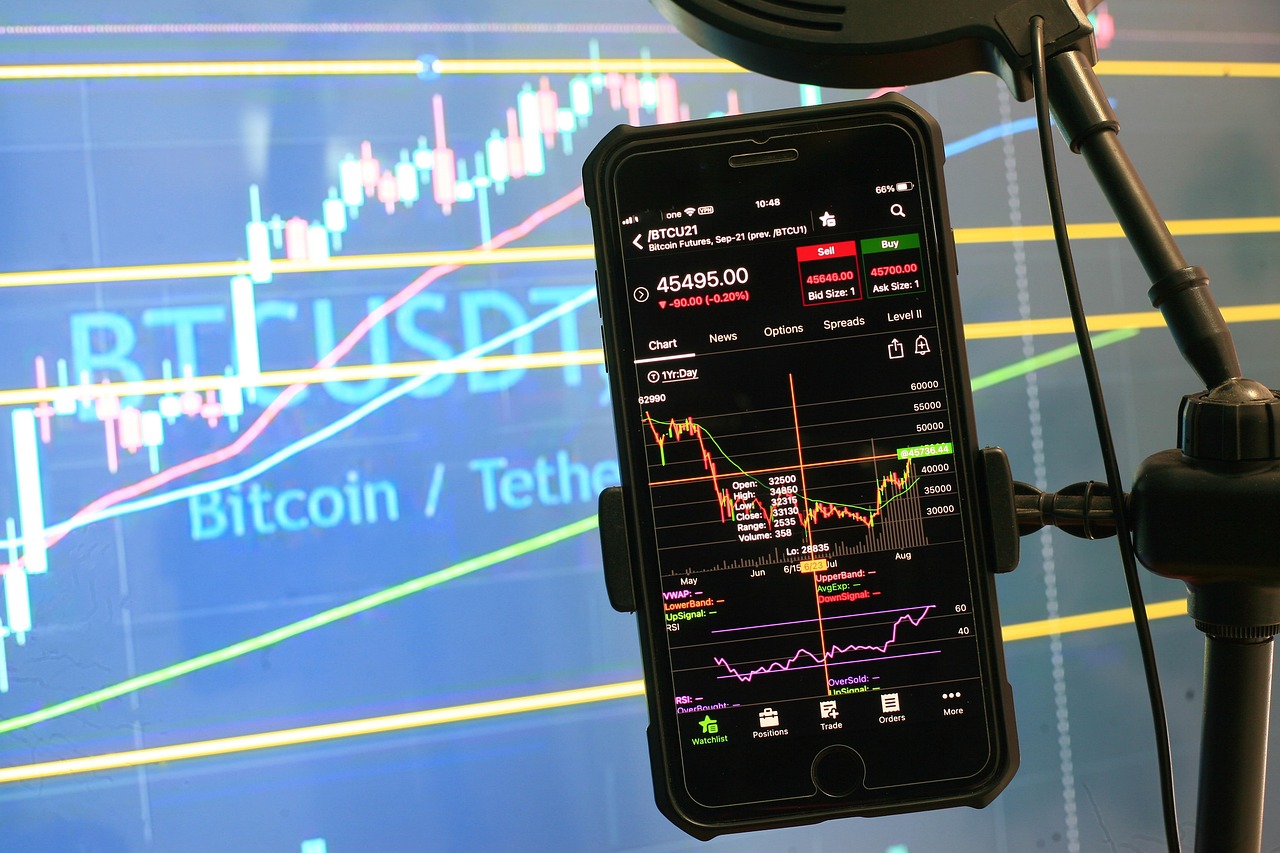
Factors that influence your investment amount can be categorized into three aspects: personal circumstances, market dynamics, and technological innovations. The following list details a step-by-step process for determining how much to invest in cryptocurrency:
1. Assess your current financial status.
2. Define your investment goals and time frame.
3. Determine your risk tolerance.
4. Research different cryptocurrencies.
5. Decide on an allocation percentage.
6. Diversify your investment across different assets.
7. Monitor market conditions regularly.
8. Adjust your allocation as needed based on performance.
| Factor | Considerations | Impact on Decision |
|———————|————————————————-|——————————————–|
| Financial Status | Liquid assets, debts, monthly expenses | Influences the maximum investment amount |
| Risk Tolerance | Risk-averse, moderate, aggressive | Determines percentage of portfolio allocation|
| Market Conditions | Current trends, historical price movements | Affects timing and investment strategies | Significant interest over the past decade

In practice, we have observed that a balanced approach often yields the best results. Investors who maintain a diversified portfolio that includes both traditional assets and cryptocurrencies often experience lower volatility. A well-rounded strategy helps to mitigate risks associated with cryptocurrency investments.
In evaluating how much to invest, another consideration is market liquidity. Highly liquid assets enable easier buying and selling, reducing the chances of significant losses during downturns. Conversely, investing in illiquid coins can lead to difficulties in divesting your assets when the market turns unfavorable.
Overall, defining the amount to invest in cryptocurrency involves a blend of personal financial analysis, market observation, and tactical decision-making. The cryptocurrency landscape is still evolving, and keeping up with industry audits is essential for informed choices. As of 2023, approximately 15% of American adults have invested in cryptocurrencies, indicating a growing acceptance and interest in digital assets.
Understanding the cryptocurrency market’s intricacies and potential pitfalls is essential for any investor. By applying the guidelines and frameworks outlined, investors can navigate this rapidly changing landscape and make more informed decisions. While cryptocurrencies may offer unique opportunities, prudence and informed strategizing remain critical to success.
What constitutes a reasonable amount to dedicate to cryptocurrencies in a diversified investment portfolio?
Financial experts recommend allocating 5-10% of your total investment portfolio to cryptocurrencies, especially if you are already invested in more stable assets like stocks and bonds. This amount balances potential high returns with the volatility and lack of regulatory oversight associated with crypto markets. However, this introduces tradeoffs that must be evaluated based on cost, complexity, or network conditions.
How can someone utilize cryptocurrency investments effectively to grow their wealth?
To effectively use cryptocurrency for wealth growth, investors can engage in strategies like dollar-cost averaging, which involves regularly buying a fixed dollar amount of crypto regardless of price fluctuations. However, it requires continuous market monitoring and a long-term perspective, as prices can swing dramatically in short periods.
How do cryptocurrency investments compare to traditional assets like stocks or real estate?
While traditional assets tend to provide more stable returns and established legal frameworks, cryptocurrencies offer high potential rewards but with much higher risk and volatility. In contrast, stocks and real estate are often more manageable in terms of performance predictability and regulatory protections.