Fake Bitcoin Wallet – Understanding Fake Bitcoin Wallets:…

Fake Bitcoin Wallet is explained clearly in this guide, outlining its purpose, functionality, and relevance in today’s crypto landscape.

Revised December 2025 — up-to-date Fake Bitcoin Wallet overview by Sarah Connar.

Introduction

In the realm of cryptocurrency, a bitcoin wallet is essentially a digital ledger that enables users to send, receive, and store their bitcoins. However, with the rise of cryptocurrency’s popularity, there has also been a significant increase in various fraudulent practices, including the development of fake bitcoin wallets. A fake bitcoin wallet refers to a fraudulent application or service that pretends to offer legitimate cryptocurrency storage but instead aims to steal users’ funds or personal information. Understanding what a fake bitcoin wallet is and how it operates is crucial for anyone involved in the cryptocurrency ecosystem.

What a Bitcoin Wallet Is


⚡ Real-Time Insights for Real Traders


This content is published on epiccluster.org.

A bitcoin wallet is defined as a digital tool that allows users to manage their bitcoin holdings. This wallet can be in the form of software (desktop or mobile), a hardware device, or even a paper format. The primary function of a bitcoin wallet is to generate and store cryptographic keys, which facilitate the signing and verification of transactions on the bitcoin network. This means that a wallet gives users access to their bitcoin accounts, enabling them to receive funds or send bitcoins to another user.

The Nature of Fake Bitcoin Wallets

Fake bitcoin wallets often represent a significant danger for cryptocurrency users. These fraudulent wallets are designed to mimic legitimate wallets and are sometimes indistinguishable at first glance from actual wallets. Their main purpose is to deceive users into entering sensitive information, such as private keys or recovery phrases, which can then be exploited to steal bitcoins. A fake bitcoin wallet may be presented as downloadable software, web applications, or even extensions in popular web browsers.

Common Characteristics of Fake Bitcoin Wallets

Identifying a fake bitcoin wallet can be challenging, especially for novice users. However, certain common characteristics can help in recognizing these fraudulent applications:

Promises of High Returns

Many fake bitcoin wallets often advertise extraordinary returns on investment that are significantly above the market rate. Such claims usually signify a scam and should serve as a warning sign.

Lack of Transparency

A legitimate bitcoin wallet will typically provide clear information about its security features, the company behind it, and how user data is protected. Conversely, a fake bitcoin wallet may lack transparency and provide insufficient information about its developers or the technology it employs.

Poor User Reviews

Users who have had experiences with fake bitcoin wallets often report their experiences on forums and review platforms. Poor feedback, consistent warnings, and high numbers of complaints are indicators that the wallet may not be legitimate.

Absence of Security Features

Learn more about Fake Bitcoin Wallet insights

fake bitcoin wallet — Fake Bitcoin Wallet visual insight
Fake Bitcoin Wallet market insights.

Reputable wallets implement various security mechanisms, such as two-factor authentication, encryption, and multi-signature options. A fake bitcoin wallet may lack adequate security measures, putting users at risk of losing their funds.

How Fake Bitcoin Wallets Work

Fake bitcoin wallets operate using various deceptive tactics to lure users into providing their personal information or funds. These tactics may include:

Phishing Attacks

Phishing refers to the practice of sending deceptive messages or emails that appear to be from a legitimate source. Users may receive emails claiming that their existing bitcoin wallet requires an update or verification. These messages usually contain links to fake websites designed to resemble legitimate wallet services. Once users input their sensitive information on these fraudulent sites, the attackers can gain access to their actual wallets.

Social Engineering

Fraudsters often use social engineering techniques to create a sense of urgency or fear. For instance, they may claim that a user’s wallet has been compromised and prompt them to install a specific wallet to recover their funds quickly. This new “wallet” is usually fake or malicious.

Malware Distribution

Some fake bitcoin wallets are bundled with malware that can control a user’s device or record sensitive information directly. If a user downloads a supposed cryptocurrency wallet that is actually malware, it can lead to substantial losses, as the malware can gain unauthorized access to the user’s other wallets or private information.

Preventing the Use of Fake Bitcoin Wallets

Ensuring the safety of cryptocurrency assets begins with taking proactive steps to avoid the use of fake bitcoin wallets. Here are several strategies:

Research Thoroughly

Before choosing a bitcoin wallet, it is crucial to conduct thorough research. Look for information about the developers, read user reviews, and check if the wallet is listed on reputable cryptocurrency websites. Investigating users’ feedback can provide valuable insights into the wallet’s reliability.

Use Official Sources

Explore the latest Fake Bitcoin Wallet trends
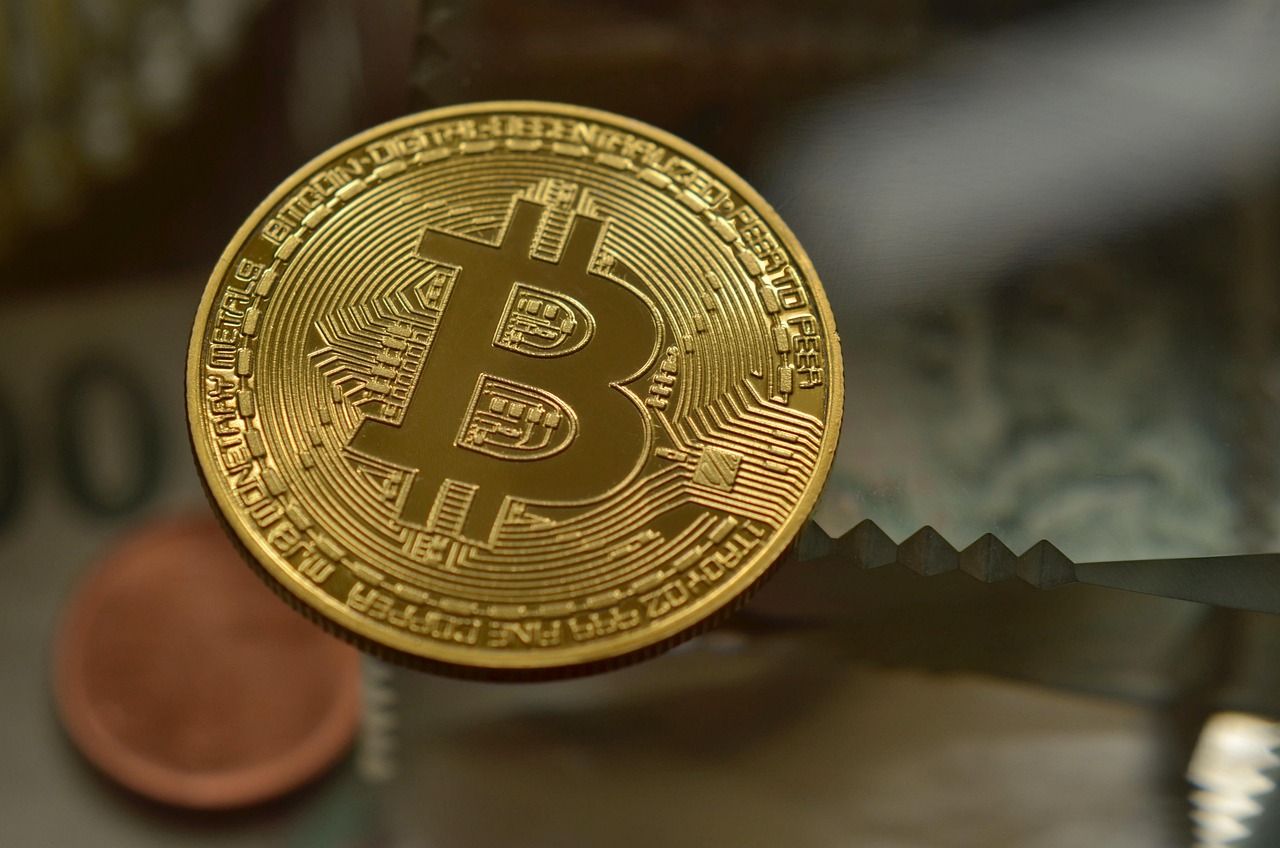
fake bitcoin wallet — Fake Bitcoin Wallet visual insight
Fake Bitcoin Wallet key trends illustrated.

Downloading wallets from official websites or established app stores is advisable. These platforms usually have better security protocols in place, which reduces the likelihood of encountering a fake wallet.

Verify Security Features

When selecting a bitcoin wallet, ensure it includes essential security features. A trustworthy wallet will typically offer options like two-factor authentication and encryption, which enhance security.

Be Skeptical of Unrealistic Claims

Always approach promises of high returns with skepticism. If the investment opportunity seems too good to be true, it likely is. Being cautious about high-return guarantees can help mitigate the risk of falling victim to a scam.

Recognizing the Signs of a Compromised Wallet

Even with precautions, users may still encounter issues with their wallets. Recognizing the signs of a compromised wallet is essential for taking swift action:

Unexpected Transactions

If you notice transactions in your wallet history that you did not authorize, your wallet may have been compromised. It’s essential to investigate swiftly and take action to secure your funds.

Unusual Login Alerts

Receiving notifications of login attempts from unfamiliar devices or locations may indicate unauthorized access. Users should change their passwords and enable additional security measures promptly.

Changes in Wallet Behavior

Any unusual behavior exhibited by your wallet, such as difficulty accessing funds or changes in balances, should serve as a warning sign. Immediate action is necessary to prevent further losses.

Steps to Take if Your Wallet Is Compromised

Deep dive into Fake Bitcoin Wallet research

fake bitcoin wallet — Fake Bitcoin Wallet visual insight
Overview of Fake Bitcoin Wallet developments.

In the unfortunate case that a fake bitcoin wallet has compromised your assets, here are steps to take:

Secure Your Other Funds

If you suspect that your wallet has been compromised, the first action is to secure your other digital wallets. Transfer any remaining cryptocurrencies to a different wallet, preferably one with a verified track record and robust security features.

Report the Incident

Report the scam to relevant authorities, cryptocurrency forums, or social media platforms. Disseminating information about fake bitcoin wallets can help protect others from falling victim to similar scams.

Educate Others

Sharing your experience can serve as a warning to others. Being proactive in educating friends, family, and the online community about the dangers of fake bitcoin wallets contributes to broader awareness and prevention.

Conclusion

The rise of fake bitcoin wallets represents a significant challenge in the world of cryptocurrency. Understanding what a fake bitcoin wallet is and recognizing its characteristics is essential for safeguarding assets. By conducting thorough research, being cautious of suspicious claims, and actively securing cryptocurrency holdings, users can protect themselves from the threat posed by these fraudulent applications. Awareness and education are critical in navigating the evolving landscape of cryptocurrencies and ensuring a safer experience for all participants.

While fake bitcoin wallets can pose serious threats, informed users can successfully defend themselves against such scams. Remember, the best defense against fraud is knowledge.

🔍 Top Takeaways

  • Broader adoption of Fake Bitcoin Wallet depends on usability and accessibility improvements.
  • Integration with existing financial systems is shaping the evolution of Fake Bitcoin Wallet.
  • Risk management remains essential when applying Fake Bitcoin Wallet in live markets.

How does Fake Bitcoin Wallet affect market trends?

Fake Bitcoin Wallet influences market trends by shaping sentiment, highlighting activity patterns and revealing emerging opportunities.

Is Fake Bitcoin Wallet useful for long-term investors?

Fake Bitcoin Wallet can support long-term investors by improving risk evaluation and offering structured insights into market behavior.

What tools help with Fake Bitcoin Wallet?

Several tools help with Fake Bitcoin Wallet, typically offering dashboards, alerts, analytics or automated workflows for traders.

List Of Fake Trading Websites – Comprehensive List of Fak…

An introductory look at List Of Fake Trading Websites, designed to help readers understand its structure and real-world usage.

Updated December 2025 — expert List Of Fake Trading Websites perspective from Sarah Connar.

Introduction

In the rapidly growing world of online trading, particularly in the realm of cryptocurrencies, a concerning trend has emerged: the prevalence of fake trading websites. These sites often appear legitimate at first glance but ultimately serve to defraud unsuspecting investors. The purpose of this article is to provide a thorough overview of what a fake trading website is, the characteristics that define these deceptive platforms, and the importance of recognizing and avoiding them.

What is a Fake Trading Website?


🏆 Trusted Market Insights for Every Trader


This content is published on epiccluster.org.

A fake trading website is defined as a fraudulent platform that imitates legitimate trading services but is designed to deceive users into investing their money without any intention of actual trading. These sites use various tactics to lure in potential investors, including promises of high returns, user-friendly interfaces, and the mimicking of legal or regulatory compliance.

The term “fake trading website” refers to the deceitful practices employed to manipulate individuals into parting with their money, often leading to significant financial loss. These platforms can be sophisticated, borrowing actual branding or design elements from legitimate companies to create a false sense of security.

Common Features of Fake Trading Websites

Understanding the common features found on fake trading websites can help individuals identify potential threats. Many of these websites exhibit certain characteristics:

1. Unrealistic Promises

One of the most blatant indicators of a fake trading website is the presence of unrealistic promises regarding returns on investment. These sites often guarantee profits or suggest that users can make substantial sums of money with minimal effort. Such assurances are inherently risk-prone and indicative of a scam.

2. Lack of Regulatory Oversight

Legitimate trading platforms are usually regulated by financial authorities within the regions they operate. A fake trading website will lack this regulatory oversight, often claiming to operate outside the jurisdiction of these authorities. The absence of regulatory compliance is a significant red flag.

3. Non-Transparent Trading Practices

Learn more about List Of Fake Trading Websites insights

list of fake trading websites — List Of Fake Trading Websites visual insight
List Of Fake Trading Websites market insights.

Fake trading websites often provide limited or no information about their trading practices. This lack of transparency means users are kept in the dark about how their funds are being managed, resulting in increased opportunities for fraud.

4. Poor Website Design and User Experience

While not universally true, many fake trading websites tend to have subpar design, featuring poor navigation, broken links, and numerous pop-up advertisements. A legitimate platform invests in user experience and usability, while fake sites often appear hastily made.

5. Absence of Verified Reviews

Many fraudulent trading platforms will attempt to curate positive reviews to lure in users. An authentic website will have impartial, verified reviews showcasing real user experiences. When a site has no credible reviews or an abundance of overly positive testimonials, it can be an indication of fraudulent activity.

6. Unsecure Payment Methods

A significant characteristic of fake trading websites is the use of insecure or unusual payment methods. While legitimate platforms typically offer recognized and secure payment options, fake sites may focus on cryptocurrencies only, wire transfers, or other methods that are challenging to trace or reverse.

Consequences of Falling for Fake Trading Websites

Engaging with a fake trading website can lead to distressing consequences, particularly for individuals who may not recognize the signs of a scam. These consequences often include:

1. Financial Loss

The most immediate impact of falling victim to a fake trading website is financial loss. Individuals investing in these platforms can lose entire sums of money, struggling to recover their funds as the counterfeit entity disappears or becomes unresponsive.

2. Data Theft

Explore the latest List Of Fake Trading Websites trends

list of fake trading websites — List Of Fake Trading Websites visual insight
List Of Fake Trading Websites key trends illustrated.

Often, fake trading websites seek to extract personal information from users, which can lead to identity theft. By providing sensitive data, individuals may find themselves vulnerable to further scams or financial exploitation.

3. Psychological Distress

The emotional toll of being deceived by a fraudulent trading platform can have a lasting impact. Victims often experience anxiety, depression, or feelings of embarrassment as they confront their loss and the hard lessons learned.

How to Protect Yourself from Fake Trading Websites

Protecting oneself from the dangers of fake trading websites involves diligent research and the application of certain protective measures. Some of these include:

1. Conducting Thorough Research

It is essential to conduct comprehensive research before investing in any trading platform. This research should entail checking for regulatory licensing, scrutinizing the company’s reputation, and searching for verified reviews and customer feedback.

2. Verifying Regulatory Compliance

To ensure a trading website operates legitimately, users should verify its status with governing financial bodies. Regulatory authorities often provide lists of licensed platforms, guiding potential investors toward legitimate options.

3. Examining Payment Methods

When considering a trading platform, it is vital to assess the payment methods offered. Legitimate sites will typically provide recognized and secured payment options that protect user information and funds.

4. Looking for a Secure Website

Deep dive into List Of Fake Trading Websites research

list of fake trading websites — List Of Fake Trading Websites visual insight
Overview of List Of Fake Trading Websites developments.

A legitimate trading platform will use secure website technology, often indicated by URLs beginning with “https://” rather than “http://”. The ‘s’ denotes a secure connection, which is crucial for protecting sensitive user data.

5. Trusting Your Instincts

If something feels off about a trading website, it is wise to trust your instincts. Paranoia may seem unwarranted at times, but when it comes to financial matters, taking a conservative approach is always advisable.

Community and Official Resources

In the fight against fake trading websites, communities and official resources play a vital role in providing support and information. Various organizations exist that focus on educating individuals about the potential dangers of fraud in trading. These organizations frequently publish warnings and share databases of reported fraudulent websites.

Furthermore, online communities and forums often become platforms where individuals share experiences and warnings regarding scams they have encountered. These venues can provide insight into suspicious activities or newly emerging threats in the trading space.

Conclusion

The emergence of fake trading websites highlights the need for vigilance and awareness in the online trading landscape. Recognizing the defining characteristics of these fraudulent platforms and understanding their potential consequences is essential for safeguarding oneself from financial and emotional harm. By staying informed, conducting thorough research, and using protective measures, individuals can minimize their risk and engage with legitimate trading platforms. With the right knowledge and resources, investors can have a safer trading experience, steering clear of the pitfalls associated with fake trading websites.

In conclusion, as the online trading landscape evolves, continuous education and awareness remain pivotal in avoiding the traps set by fraudulent entities. A thorough understanding of what constitutes a fake trading website can empower individuals to make informed choices and protect their investments.

🔍 Top Takeaways

  • Use cases for List Of Fake Trading Websites are expanding beyond early speculation.
  • Standardization efforts are helping define best practices around List Of Fake Trading Websites.
  • Broader adoption of List Of Fake Trading Websites depends on usability and accessibility improvements.

What data sources are commonly used with List Of Fake Trading Websites?

Data sources used with List Of Fake Trading Websites often include price feeds, volume metrics, on-chain data and sentiment indicators.

How does List Of Fake Trading Websites help manage risk?

List Of Fake Trading Websites helps manage risk by encouraging informed decisions and highlighting potential downside scenarios.

What are common misconceptions about List Of Fake Trading Websites?

A common misconception is that List Of Fake Trading Websites guarantees success, when it actually supports better decision-making.